What Does a Vehicle History Check Tell You and What Can It Miss?
A vehicle history check is one of the most useful checks you can carry out before buying a used car because it can reveal important information that would be difficult to establish simply by looking at the vehicle.
Depending on the type of check completed, it may identify whether a car has been recorded as stolen or written off by an insurer. A comprehensive check can also identify outstanding finance and discrepancies within the vehicle’s recorded mileage.
However, a vehicle history report does not provide a complete account of everything that has happened to a car throughout its life. Some information will only appear if it has been formally recorded on the databases used by the history check provider, while other aspects of a vehicle’s past need to be assessed through its paperwork and physical condition.
Understanding those limitations allows you to use a vehicle history check for what it does well while continuing to make the other checks that are important when buying a used car.

What Does a Vehicle History Check Usually Tell You?
The exact information provided will depend on the company carrying out the check and the level of report you purchase.
A comprehensive vehicle history check will usually confirm important details about the identity and recorded history of the car. This may include whether it has been recorded as stolen or written off by an insurer, as well as whether outstanding finance is registered against it.
The report may also identify mileage discrepancies or previous registration plate changes. Vehicle details can be compared against official records to help confirm that the make, model and other identifying information are consistent with the vehicle being advertised.
This information can highlight issues that would be very difficult for a buyer to identify during an ordinary viewing, which is why a history check should form part of the research carried out before buying a used vehicle.
Does a Vehicle History Check Show Every Accident?
A common misconception is that a clear history report confirms that a vehicle has never been involved in an accident. The reality is that a history check can only report accident information that has reached the databases it uses.
If an insurance company has categorised a vehicle as a write-off following damage, that information should form part of a comprehensive history report.
However, not every accident results in an insurance claim or the vehicle being written off. An owner may have paid privately for repairs, especially if the damage was relatively minor or they chose not to involve their insurer. In those circumstances, there may be no insurance record for a vehicle history provider to identify. The car could therefore return a clear history check despite having had previous body or accident repairs.
This is why the physical condition of the vehicle remains important alongside the data report.
Why Is CARS of Grimsby’s Accident Repair Experience Important?
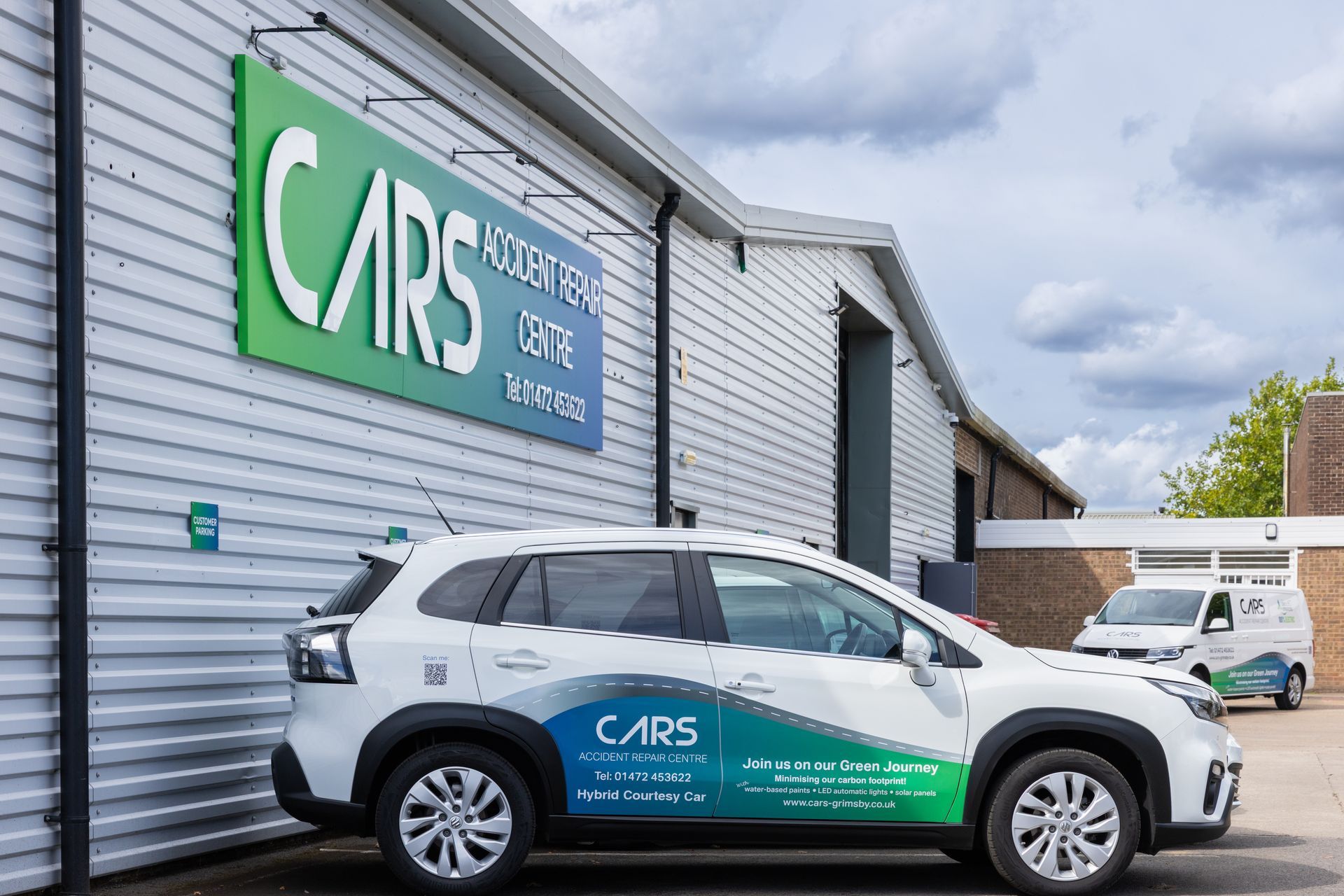
Previous repair work can sometimes leave physical evidence even when there is no corresponding entry on a vehicle history report. CARS of Grimsby has decades of accident repair and bodyshop experience, which gives the team valuable knowledge when assessing vehicles considered for Select Vehicle Sales.
Differences in paint finish or panel alignment can indicate that previous work has been carried out. The quality of a repair can then be considered as part of the wider assessment of the vehicle rather than relying solely on whether an insurance marker appears on a database.
Previous repairs do not automatically make a vehicle unsuitable for purchase. A professionally completed repair may have restored the vehicle correctly, while the greater concern is work that has been carried out poorly or has left unresolved issues.
This is where physical assessment and recorded vehicle history work well together. The data can identify formal records associated with the vehicle, while relevant repair experience can help identify signs that need closer examination.
Read more about what accident repair experience teaches us about buying a used car.
Does a Vehicle History Check Include Service History?
A vehicle history check should not be treated as a substitute for the car’s service records.
Some information associated with servicing or maintenance may be available through certain data providers, but a history check does not necessarily provide a complete account of every service or repair carried out during the vehicle’s life.
You should therefore ask to see the available service history separately. Depending on the age and manufacturer of the vehicle, this may be recorded in a traditional service book or held electronically.
Look at when services have been completed and whether the mileage recorded at each point appears consistent. It can also be useful to establish what maintenance has been completed recently, especially if the car is approaching another scheduled service.
A good service record helps build a more complete picture of how a vehicle has been looked after alongside the information provided by a history check.
Can a Vehicle History Check Identify Outstanding Finance?
A comprehensive vehicle history check can identify finance that has been registered against the vehicle, which is important when buying privately.
Cars bought using certain types of vehicle finance may legally remain the property of the finance company until the agreement has been settled. If the seller attempts to sell the vehicle while qualifying finance remains outstanding, this can create problems for the person who buys it.
A suitable history check can therefore provide information that cannot be established from the physical condition of the vehicle alone. If outstanding finance is identified, establish the position before completing the purchase rather than relying solely on an assurance that it will be settled later.
Will a Vehicle History Check Tell You If a Car Has Been Stolen?
Comprehensive vehicle history checks can compare a car against records of vehicles reported stolen, providing another useful safeguard when buying used.
You should still verify the identity of the physical vehicle when you view it. Check the Vehicle Identification Number against the V5C registration certificate and make sure the details supplied by the seller are consistent with official vehicle records.
The GOV.UK used vehicle buying guidance recommends checking the information provided by the seller against DVLA records before purchase. Buyers are also advised to review the MOT history and examine the V5C. These checks work alongside a vehicle history report rather than replacing it.
What Can the MOT History Tell You?
The MOT history provides additional context because it allows you to see previous test results and recorded mileage. For vehicles old enough to require an MOT, you can also review previous failures and advisory items.
This may help you identify patterns that deserve further investigation. If the same type of advisory appears repeatedly, for example, you may want to establish whether the recommended work was subsequently completed.
Mileage readings recorded during previous MOT tests can also help you assess whether the vehicle’s current mileage appears consistent with its history.
However, an MOT remains a test against specific requirements at a set point in time. It should not be regarded as a complete mechanical inspection or evidence that the vehicle has been maintained correctly throughout its life.
Can a History Check Tell You How Well a Car Has Been Looked After?
A history check can provide information about a vehicle’s past, but it cannot tell you everything about the way previous owners have treated it.
Two cars could both return clear history reports while being in noticeably different condition. One may have been serviced consistently and driven carefully, while another may have received less regular maintenance.
The interior and exterior condition can provide additional clues when you inspect the car. Excessive wear that appears inconsistent with the age or recorded mileage should be investigated further, as should warning lights, unusual noises or anything that appears unusual during a test drive.
The best assessment comes from combining the recorded information with the physical condition of the vehicle rather than allowing any individual check to determine the decision.
Should You Still Inspect a Car If the History Check Is Clear?
Yes. A clear vehicle history check is reassuring, but it does not remove the need to inspect the car carefully.
Look at the bodywork in good daylight conditions and consider whether the paint finish appears consistent across the vehicle. Panel alignment should also be checked, especially if anything looks noticeably different from one area to another.
Inside the vehicle, make sure the equipment operates as expected and check that the general condition appears appropriate for its age and mileage. A test drive should then give you an opportunity to assess how the car behaves on the road.
If you do not feel confident assessing a privately sold car yourself, an independent professional inspection may provide additional reassurance.
Are Free Vehicle Checks Enough When Buying a Used Car?
Free services can provide valuable information, particularly when checking the details held by DVLA and reviewing a vehicle’s MOT history.
However, they do not necessarily include the information provided by a comprehensive paid history check, such as outstanding finance information or records showing that a vehicle has been reported stolen or written off.
It is therefore important to understand what the service you are using covers rather than assuming every online vehicle check searches the same databases.
Official DVLA and MOT information can be used alongside an appropriate vehicle history report and your physical inspection of the car to provide a broader picture.
How Are Vehicles Checked at Select Vehicle Sales?
At Select Vehicle Sales by CARS of Grimsby, vehicle history information forms part of a wider assessment rather than being relied upon on its own.
The team’s accident repair background provides additional experience when assessing physical vehicle condition, while RAC Approved Dealer status provides an external standard for preparation.
Vehicles are prepared in line with the RAC 82-point Approved Vehicle Preparation Standard and every vehicle sold comes with:
- A full service
- A clean 12-month MOT
- A six-month RAC Approved warranty
- Twelve months of complimentary RAC Breakdown cover
- Warranty upgrades to 12, 24 or 36 months are also available, subject to the applicable terms and eligibility.
You can find out more about what RAC Approved Dealer status means for customers.
What Should You Check Before Buying a Used Car?
A vehicle history report should form part of a wider assessment of any used car you are considering.
Start by confirming that the vehicle details match the information held by DVLA and review the MOT history. An appropriate history check can then help identify recorded issues such as outstanding finance or an insurance write-off.
When you see the car, compare its physical condition with the history you have been given and review the available service records. Allow enough time for a test drive and ask the seller about anything that does not appear consistent.
Together, these checks provide a much fuller understanding of the vehicle than relying on a single report.
Our [used car inspection checklist] (https://www.cars-grimsby.co.uk/what-to-check-when-buying-a-used-car-a-complete-inspection-guide) explains what else to look for before deciding whether to buy.
Frequently Asked Questions About Vehicle History Checks
Does a clear vehicle history check mean a car has never been in an accident?
No. A clear history check means that the databases searched have not returned the relevant recorded information. An accident that was repaired privately and did not result in an insurance write-off may not appear, so the physical condition of the vehicle should still be assessed carefully.
Will a vehicle history check show all previous repairs?
No. A history check is unlikely to provide a complete record of every mechanical or body repair carried out during the car’s life. Service records and invoices may provide additional information, while physical inspection can help identify signs of previous body repairs.
Can a history check tell me if a car has outstanding finance?
A comprehensive check can identify qualifying finance registered against the vehicle. Check what is included within the specific report you are purchasing because the information available differs between free and paid services.
Does a vehicle history check include the MOT history?
Some commercial history reports include MOT information, although you can also check the official MOT history separately using the GOV.UK service. Previous test results and advisory items can provide additional context about the vehicle.
Should I buy a car if the history check shows it has previously been written off?
A previous insurance write-off does not automatically determine whether a vehicle is suitable to buy, as the circumstances and severity of the damage can differ considerably. You should understand the write-off category and establish what repairs were completed before making a decision.
Do I need a history check when buying from a dealer?
A reputable dealer should carry out appropriate checks when assessing vehicles for sale, but you can still complete your own research. Ask the dealer what checks have been undertaken and raise any questions you have about the vehicle’s history.
Look at the Complete History of the Vehicle
Vehicle history checks provide valuable information when buying a used car and can identify issues that would be difficult to establish during a viewing. Their limitations simply mean that they are most useful when combined with the other information available about the vehicle.
Service records and MOT history can help you understand how the car has been maintained, while a physical assessment provides information that may never appear on a database.
At Select Vehicle Sales by CARS of Grimsby, ach vehicle is assessed individually by a team with extensive experience in accident repair and vehicle condition. This allows recorded history to be considered alongside the physical vehicle before it is offered for sale.
You can visit us at Estate Road 8 on the South Humberside Industrial Estate in Grimsby and speak directly with the team. You are also welcome to view and test drive any vehicle that interests you.
View Our Current Used Cars and Vans
If you have a vehicle to sell or part exchange,
request a valuation
to understand how much it could contribute towards your next car.