What Affects the Part-Exchange Value of Your Car?
If you are thinking about changing your car, knowing what your current vehicle might be worth in part exchange can help you understand how much you may need to put towards your next one.
However, two apparently similar cars will not necessarily receive the same valuation. Age and mileage are important factors, but a dealer will also consider the vehicle’s overall condition and how well it has been maintained. Current demand for the make and model can also influence the valuation.
The vehicle’s specification can influence its value, as some versions may be more desirable to buyers than others. Previous repairs or known mechanical issues may also affect the valuation, depending on the work required to prepare the vehicle for resale.
Part-exchange values also change over time as the used car market changes, so a figure provided several months ago is unlikely to reflect what the same vehicle is worth today.
Understanding the main factors that affect a valuation can help you set realistic expectations and make a more informed comparison when you are considering your next car.
How Is a Part-Exchange Value Calculated?
A dealer will usually begin by considering the make, model, age and mileage of your vehicle, along with the specification. These details provide a good starting point based on what similar cars are currently worth within the used market.
The vehicle then needs to be assessed because no guide valuation can account perfectly for every car. Its exterior condition, interior wear and tyre condition can all influence what may need to be spent before it can be offered for sale.
Service history and supporting documentation also help build a picture of how the vehicle has been maintained, while current market demand gives an indication of how easily a dealer may be able to sell it.
The final part-exchange value is therefore based on the individual vehicle and the market at the time it is assessed rather than being determined by one figure such as age or mileage.
How Much Does Your Car’s Age Affect Its Part-Exchange Value?
Age has an important influence because most cars lose value as they get older, although depreciation does not happen at exactly the same rate for every make and model.
Some vehicles remain desirable for longer, while others may reduce in value more quickly as newer versions arrive or buyer preferences change. The condition of the vehicle and how well it has been maintained can also affect how its age is viewed.
Age should therefore be considered alongside mileage. A relatively new car that has covered unusually high mileage may be valued differently from another example of the same age with significantly fewer miles, while an older car that has been well maintained can still retain a reasonable amount of value.
Being older does not automatically make a vehicle difficult to part exchange, as there may still be demand for that type of car and its condition remains good for its age.
How Does Mileage Affect a Part-Exchange Valuation?
Mileage is another important factor because it helps indicate how much use the vehicle has experienced, but it needs to be considered in relation to the age of the car.
For example, 60,000 miles may be considered relatively high on a much newer vehicle but entirely normal on one that is several years older. A dealer will therefore consider the mileage against the age and overall condition rather than relying on the odometer reading alone.
Service history becomes important as mileage increases because it helps demonstrate whether routine maintenance has been completed consistently.
A higher-mileage vehicle with full service history and good overall condition can still be appealing within the used market, especially if the mileage appears appropriate for its age.
Our article explaining why two similar used cars can have very different prices looks in more detail at why mileage should be considered alongside condition, history and preparation.
How Much Difference Does the Condition of Your Car Make?
Condition can have a considerable influence on a part-exchange valuation because the dealer needs to consider what preparation may be required before the vehicle can be offered for sale.
Some signs of wear are expected on any used car, with older vehicles generally showing more evidence of everyday use. However, larger dents or scratches can increase preparation costs. Damaged alloy wheels or excessive wear to the interior may also need remedial work before the vehicle is ready to be advertised.
Tyre condition will normally be considered too, as a car with tyres approaching the legal limit will likely require replacements. Mechanical condition is equally important because known faults, warning lights or unusual noises may indicate that additional work is needed.
A well-presented vehicle that has been well maintained may therefore receive a stronger valuation than a similar car requiring significant cosmetic or mechanical preparation.
Our used car inspection checklist explains many of the condition areas buyers should look at when assessing a used vehicle, and several of the same factors can influence how a dealer assesses a car taken in part exchange.
Does Accident Damage Affect Part-Exchange Value?
Previous accident damage can influence a valuation, although the effect will depend on the nature of the damage and how well any repairs have been completed.
A vehicle that has previously been recorded as an insurance write-off will usually be valued differently from an equivalent car without that history. The category and circumstances of the damage may also be taken into consideration.
Previous repairs that did not result in an insurance write-off can still affect the valuation if the work has not been completed to a good standard or further attention is required.
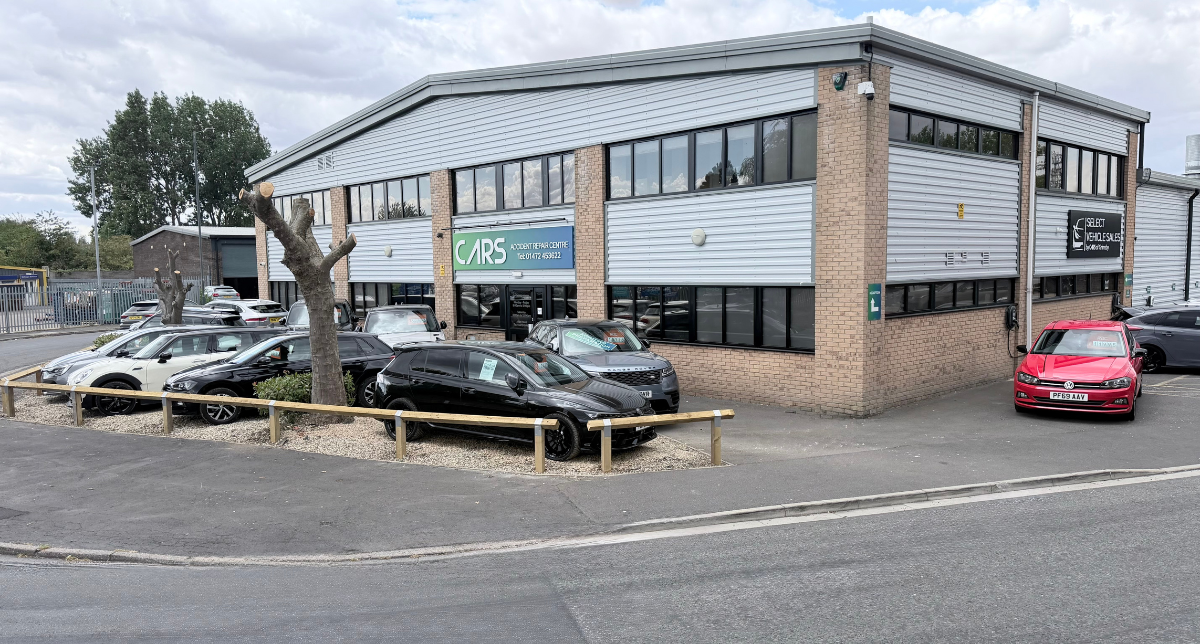
This is one area where CARS of Grimsby brings additional experience. With decades of accident repair and bodyshop knowledge, the team can assess areas such as paint finish and panel alignment when inspecting vehicles.
That experience helps the team consider the physical condition of the vehicle alongside its recorded history rather than relying solely on database information.
You can read more about what accident repair experience teaches us about assessing a used car.
Does Service History Increase Your Car’s Part-Exchange Value?
A comprehensive service history can support a vehicle’s value because it provides evidence that routine maintenance has been carried out throughout its life.
The absence of a complete record does not automatically mean the car will receive a poor valuation, but substantial gaps may make it harder to understand how consistently the vehicle has been maintained.
If your car has digital service records, it is useful to know how these can be accessed. Invoices for servicing or significant repair work may also provide additional information and help demonstrate that important maintenance has been carried out.
Having this information available when the vehicle is assessed helps the dealer build a more complete picture of its history and current condition.
Does the MOT History Affect Part-Exchange Value?
The MOT history can provide additional information because it shows previous test results, recorded mileage and any advisory items that have been noted over time.
Repeated advisories can sometimes indicate areas that may need attention if the work has not subsequently been completed, while the mileage recorded at each test can help confirm how the vehicle has been used.
The expiry date of the MOT should not be viewed in isolation. The wider history may provide more useful information about how the vehicle has been maintained over several years.
An MOT is still a test against specific requirements at a set point in time rather than a complete mechanical assessment, so it forms only one part of the valuation process. GOV.UK allows you to check a vehicle’s MOT history, including previous results, recorded mileage and advisory or failure items.
Does Specification Affect How Much Your Car Is Worth?
Specification can influence value, especially where certain versions of a model are more desirable within the used market.
Engine choice and transmission may affect demand, while trim level and factory-fitted equipment can also make one vehicle more appealing than another.
However, optional extras do not necessarily retain anything close to their original purchase price. Equipment that cost a significant amount when the car was new may make only a modest difference to its value several years later.
The effect of specification also varies between different models, so the dealer will normally consider the individual version in relation to similar vehicles currently available.
Does the Number of Previous Owners Matter?
The number of previous owners can influence how some buyers view a used car and may therefore have an effect on its part-exchange value.
A vehicle with fewer keepers and a good service history may appear more attractive than a similar example that has changed hands frequently, although the number of owners does not tell you how well the car has been looked after.
A vehicle with several previous keepers can still have been maintained carefully throughout its life, while a one-owner car may have experienced heavy use or less consistent maintenance.
Previous ownership is therefore considered alongside the vehicle’s age, mileage and service history rather than being treated as a measure of quality on its own.
Does Market Demand Affect Your Car’s Value?
The level of demand for a certain make, model or type of vehicle can have a noticeable effect on its part-exchange value.
If a certain car is attracting strong buyer interest, a dealer may expect it to sell relatively quickly and this can support its value. Where there is less demand or a large number of similar vehicles already available, the valuation may be lower.
Buyer preferences also change over time, which means a model that was desirable a few years ago may not attract the same level of interest today.
This is one reason part-exchange values are not fixed and why an older valuation should not be used as an indication of what the vehicle is worth now.
Why Is the Part-Exchange Value Lower Than the Advertised Price of Similar Cars?
This is one of the most common questions when people compare a part-exchange offer with similar vehicles advertised online.
If comparable cars are being advertised for £15,000, this does not mean a dealer can pay £15,000 for yours. The advertised figure is usually the retail asking price after the vehicle has been acquired and prepared for sale.
Before it can be offered to another customer, the dealer may need to complete servicing or repair work. Tyres or cosmetic preparation may also be required, while there are further costs involved with advertising and selling the vehicle.
The dealer also needs to allow a margin between the amount paid for the car and its eventual selling price.
A retail asking price and a part-exchange value therefore represent different stages of the vehicle’s journey through the used car market, so they should not be compared as though they are the same figure. This is closely related to the factors discussed in our guide to why similar used cars can have different prices.
Can You Improve Your Car’s Part-Exchange Value Before a Valuation?
Presenting the vehicle well can make it easier for a dealer to assess its true condition, although spending a large amount of money before requesting a valuation may not always provide a worthwhile return.
Cleaning the exterior and interior can help show the car at its best, while gathering the service records and any invoices means important information is readily available. Having both keys, where supplied, is also beneficial.
If there is a minor fault or known issue, it is better to be open about it because the dealer will normally inspect the vehicle during the valuation process.
Small cosmetic improvements may sometimes be worthwhile, but significant repair work should be considered carefully because the amount spent may be greater than any increase in the eventual part-exchange figure.
Does Outstanding Finance Reduce Your Car’s Value?
Outstanding finance does not necessarily change the underlying market value of the vehicle, but it does affect how much equity you have available towards your next car.
If the settlement figure is lower than the part-exchange value, the difference can normally contribute towards your next vehicle. Where the settlement amount is higher than the vehicle’s value, you have negative equity and the outstanding balance will need to be dealt with as part of the transaction.
If your car is currently financed, obtaining an up-to-date settlement figure before changing vehicles will help you understand your position more accurately.
MoneyHelper recommends asking your finance provider for a settlement figure if you are considering ending a PCP or HP agreement early. It also explains that a vehicle subject to this type of finance cannot normally be sold until the relevant finance has been settled. Read MoneyHelper’s guidance on ending car finance early.
What Else Should You Check Before Changing Your Car?
If you are using your current vehicle as part exchange towards another used car, it is worth thinking about the overall cost of changing rather than concentrating solely on the valuation you receive.
The price of the replacement vehicle, any finance arrangement and expected running costs all contribute to the amount you will ultimately spend.
Our guide to how much you should spend on a used car explains how to consider the purchase price alongside ongoing costs such as insurance, tax and maintenance.
If you are comparing used vehicles, GOV.UK also recommends checking that the details provided by the seller match DVLA records and reviewing the vehicle’s MOT history before buying. Read the official GOV.UK guidance on checking a used vehicle.
Frequently Asked Questions About Part-Exchange Values
Is a part-exchange valuation the same as the car’s retail value?
No. Retail value is the amount a prepared vehicle may be advertised for by a dealer, while a part-exchange valuation takes into account the cost of acquiring and preparing the vehicle before it is sold again.
Does a full service history make my car worth more?
It can help support the vehicle’s value because it provides evidence that maintenance has been carried out consistently. The condition, age and mileage will still need to be considered alongside the service history.
Will scratches and dents reduce my part-exchange value?
They can if the damage means the dealer will need to complete additional preparation before offering the vehicle for sale. Normal wear will usually be considered in relation to the age and mileage of the car.
Is an online valuation guaranteed?
An online valuation is normally an initial guide based on the information entered about the vehicle. The final figure may change once the car has been physically assessed and its condition, history and specification have been confirmed.
Should I sell privately instead of part exchanging?
Selling privately may sometimes achieve a higher price, but it also means arranging advertising and dealing directly with prospective buyers. Part exchange allows the value of your current vehicle to be incorporated into the purchase of your next car, which many customers may find more convenient.
Find Out What Your Car Could Be Worth
Your car’s part-exchange value depends on the individual vehicle and the market at the time it is assessed. Age and mileage provide an initial indication, while condition, maintenance history and demand help determine the final figure.
At Select Vehicle Sales by CARS of Grimsby, we provide free, no-obligation vehicle valuations for customers considering selling or part exchanging a car or van.
Our accident repair experience also gives the team an informed understanding of vehicle condition when carrying out an assessment, helping us consider the individual car rather than relying solely on a guide price.
If you are thinking about changing your vehicle, you can also
view our current used cars and vans
to see what is currently available.