
How is technology transforming the accident repair industry?
Jason Barker • January 30, 2024
In recent months and years, we’ve seen first-hand how technological advancements are starting to mould and shape the accident repair industry. There is huge emphasis on ensuring that employees receive sufficient training and equipment is kept up to date with the latest innovations. Here are a few examples of how we’ve noticed the impact of technology on the accident repair industry:
- Advanced Driver Assistance Systems (ADAS) – Perhaps the most common advancement is the introduction of Advanced Driver Assistance Systems. Newer vehicles have modernised ADAS, such as automatic emergency braking, blind spot detection, lane departure warning and adaptive cruise control, which aim to avoid accidents that usually occur due to human error. ADAS comprises of active safety systems which rely on multiple data sources that continually monitor the external surroundings of the vehicle. For example, the systems use radar, cameras and other devices in image processing.
The introduction of such systems on modern vehicles has resulted in an increased need for training. Firstly, it is important that an estimator is trained to identify underlying damage which could impact the functionality of ADAS modules. These modules are not always visible, so it is important that estimators are both technically trained and equipped with knowledge to identify any potential issues. Additionally, these modules will usually need recalibrating as part of the repair, to ensure the vehicle is safe and road-worthy once repaired.
Furthermore, it is important that workshop technicians receive sufficient training to be able to carry out repairs to more modern, advanced vehicles. For example, here at CARS, we run regular ADAS training sessions from industry professionals, to ensure our technicians are equipped with knowledge on the most recent industry updates. The same also applies to our in-house equipment. To stay aligned with the newest technology, it is vital that equipment is kept in immaculate condition and updated where necessary. - Changes to parts – Increased use of electronics and computers has changed the auto-repair industry entirely, as newer vehicles are comprised of an increased number of complex parts. For example, there are a large number of individual parts used to make up the individual ADAS components. Therefore, waiting for a higher number of these more advanced parts, comprised with the advanced knowledge and equipment required during repair, can result in a longer repair time.
- Access to diagnostic technology – A positive advancement we have seen in the accident repair industry is better access to innovative diagnostic technology. For example, the creation and advancement of diagnostic tools has made it easier to identify issues impacting the majority of vehicles. In some instances, this could result in a quicker and less expensive repair.
- Advanced paint technology – In recent years, there has been a huge uptake in the utilisation of advanced paint matching techniques in vehicle repair. For example, here at CARS, we use computerised colour-matching software to analyse the existing vehicle colour shade and recreate an appropriate colour formula to match. This ensures that the repair blends more seamlessly with the existing paint finish.
We expect to see further advancements in the industry, and it is vital that employees receive sufficient training and equipment is upgraded to keep up with the latest developments.

Find out what affects your car’s part-exchange value, including age, mileage, condition, service history, specification and current market demand.
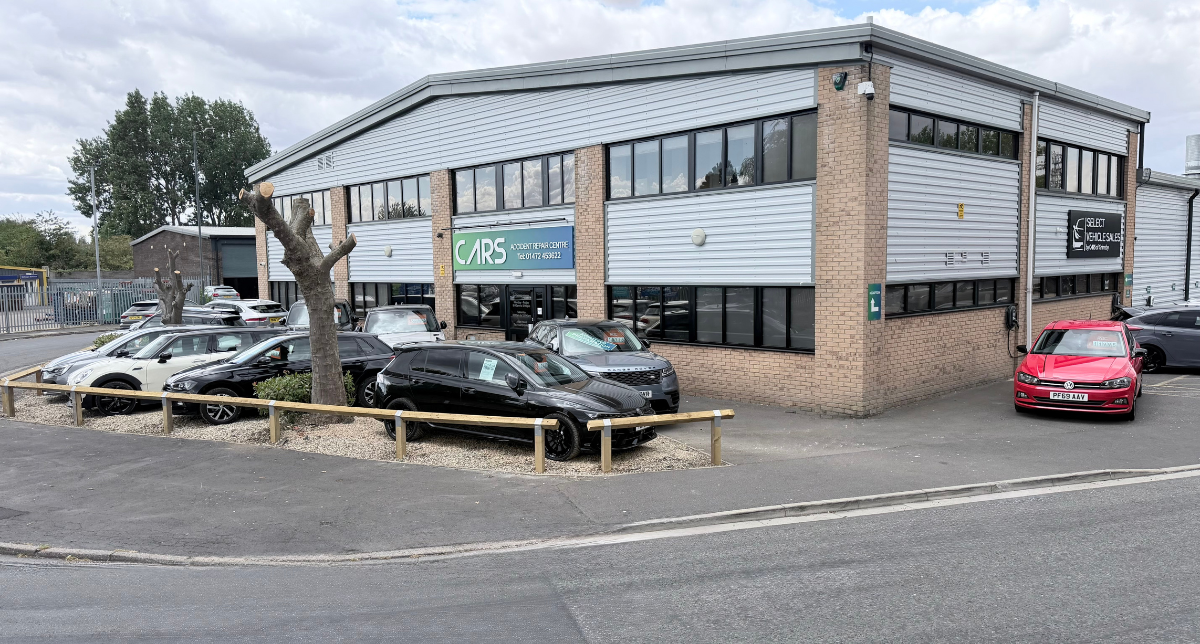
Looking for the best used car under £10,000? Find out what your budget could buy and how to choose a used car that offers good value for money.
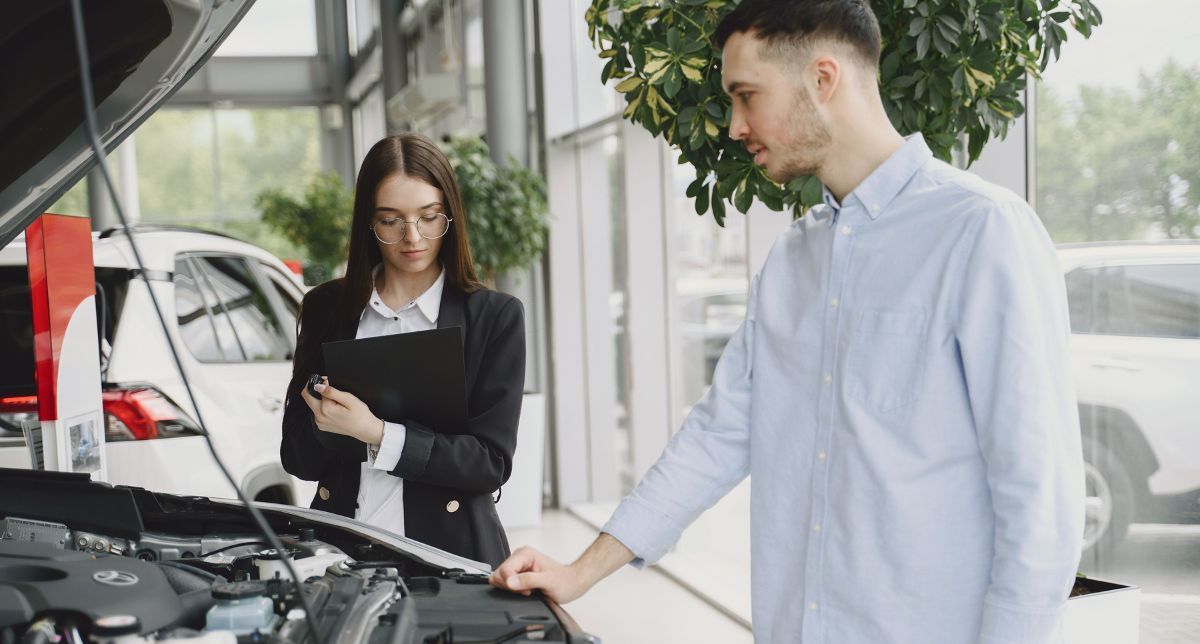
Vehicle history checks provide valuable information when buying a used car, but they have limitations. Find out what they can reveal and what else you should check.

We are delighted to share that CARS of Grimsby was shortlisted as a finalist in the Family Fortunes category at The Business Hive’s Great Big Small Awards, which took place on 25th September.

Buying a used car? Learn what to inspect before you buy, from bodywork and accident damage to service history and the test drive.

Why can two similar used cars have very different prices? Understand why condition, history, mileage, preparation and warranty can affect value.

Should you buy a used car privately or from a dealer? Compare the price, preparation, legal protection and support available with each option.
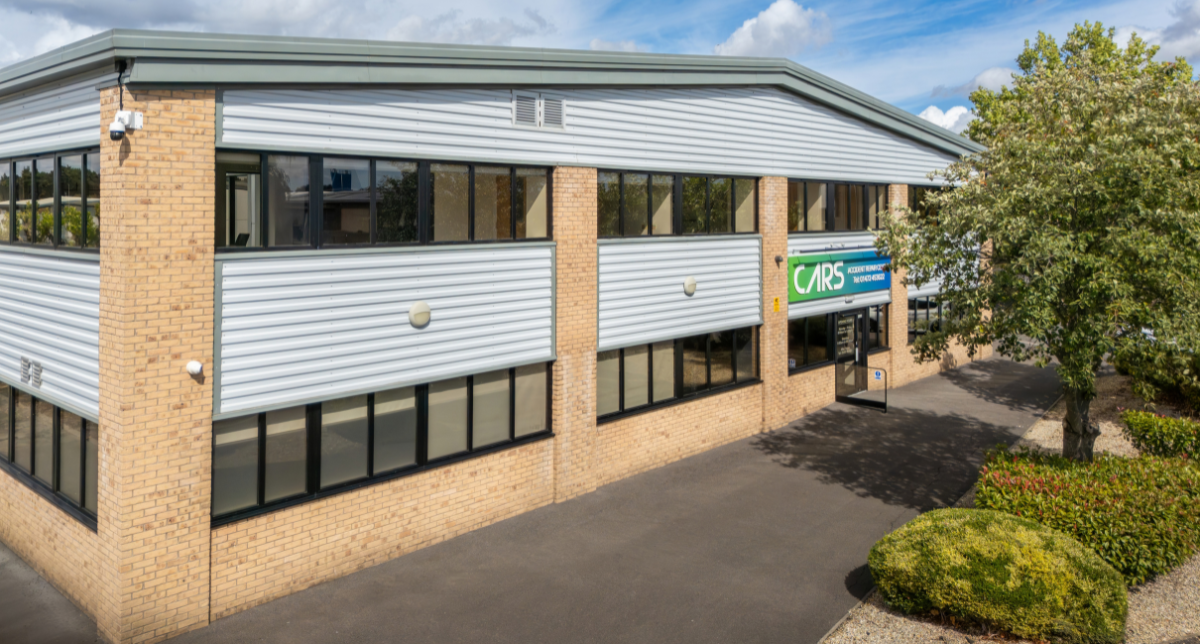
Compare main dealers and independent used car dealers, including vehicle choice, preparation, warranties, pricing and customer service.

How much should you spend on a used car? Learn how to set a realistic budget by considering the purchase price, finance and ongoing running costs.
Learn what RAC Approved Dealer status means when buying a used car, including vehicle checks, preparation standards, warranty and breakdown cover.