Should You Spend Money Repairing a Car Before You Part Exchange It?
If you are planning to part exchange your car, it can be tempting to spend money repairing faults or improving its appearance before asking a dealer for a valuation. In some cases, that can make sense, especially where the work is relatively inexpensive and improves the overall presentation of the vehicle.
However, spending hundreds of pounds on cosmetic or mechanical repairs does not automatically mean you will recover that money through a higher part-exchange figure. A better approach is usually to compare the cost of the repair with the likely effect it will have on the vehicle’s value.
Dealers are used to assessing cars that need preparation and may be able to complete work at a lower cost than you could arrange as a retail customer. That means some repairs are worth considering before valuation, while others are better left for the dealer to consider as part of the appraisal.
Does Damage Reduce the Part-Exchange Value of a Car?
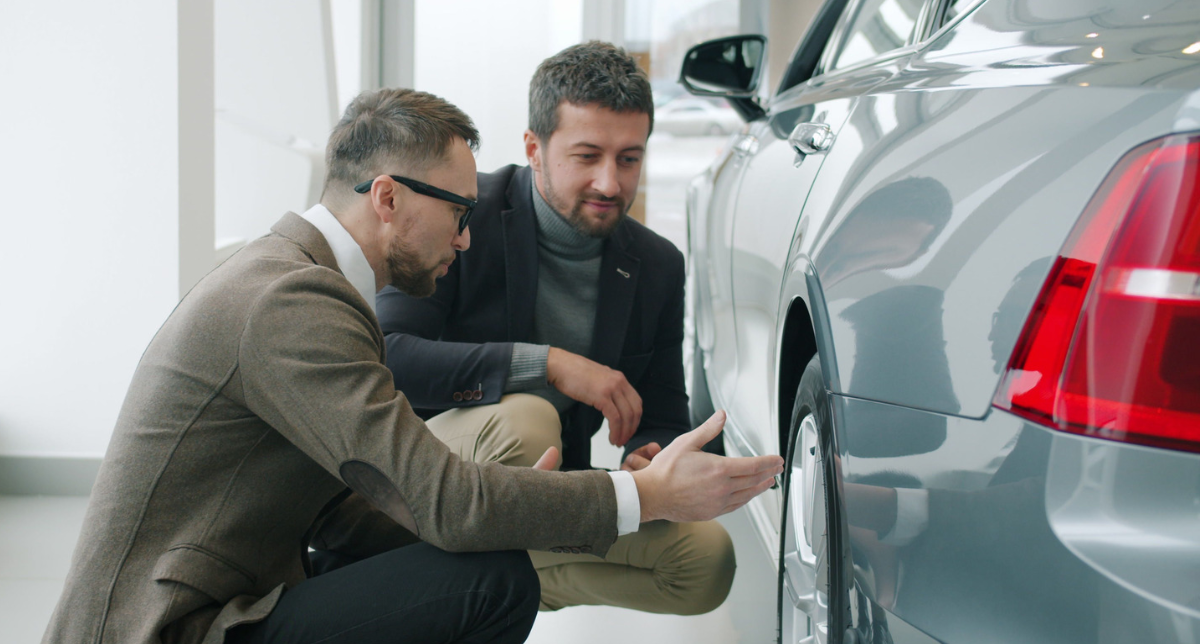
The condition of your vehicle will usually influence its part-exchange value because a dealer needs to consider how much work may be required before the car can be sold again. A small scratch or minor mark may have very little effect on an older vehicle where some signs of normal use are expected, while larger dents or damaged panels can have a greater impact because they may require professional repair.
Mechanical condition is equally important. Warning lights or known faults may reduce the value if further diagnosis is required, while worn tyres or braking components can create additional preparation costs before the car is ready for resale.
The effect will depend on the age and overall value of the vehicle. A £500 repair may be worthwhile on one car but difficult to justify on another, especially if the work would only increase the part-exchange value by a small amount.
Our guide to what affects the part-exchange value of your car explains the factors that can influence a valuation.
Should You Repair Minor Cosmetic Damage Before Part Exchange?
Minor cosmetic work can sometimes be worthwhile, although you should avoid assuming that every scratch or dent needs to be corrected before requesting a valuation. If the damage is inexpensive to repair and noticeably affects the way the car presents, improving it may help, but a small dent that can be removed relatively cheaply is very different from several panels requiring paintwork.
The age of the car is also important because a dealer will expect some wear on an older vehicle and spending heavily to make it look almost perfect may not produce a corresponding increase in value.
In many cases, it is beneficial to request a valuation first and understand how the current condition affects the offer before arranging significant cosmetic work yourself.
Is It Worth Repairing Alloy Wheel Damage?
Alloy wheels are often marked through normal use, especially where a vehicle has been driven regularly in urban areas. Light kerbing may have only a modest effect on the part-exchange value, while more substantial damage can influence the amount of preparation a dealer expects to carry out before resale.
Refurbishment can be relatively affordable in some cases, but the cost still needs to be compared with the likely difference it will make to the valuation. If several wheels need attention, the overall cost can increase quickly, and a dealer may also have access to trade refurbishment rates that are lower than those available to an individual customer.
Should You Replace Worn Tyres Before Part Exchange?
Tyre condition will normally form part of a vehicle assessment, but replacing tyres immediately before part exchange may not always be worthwhile. If a tyre is unsafe or below the legal minimum tread depth, it should be dealt with before the vehicle is driven because drivers remain responsible for making sure the car is roadworthy.
Where tyres are legal but approaching replacement, the dealer can take their condition into account within the valuation. Buying a full set of new tyres shortly before changing the car may cost more than the increase in part-exchange value, especially where the vehicle uses larger or more expensive tyre sizes.
Asking the dealer how the current tyre condition affects the valuation can help you decide whether replacement makes financial sense.
Should You Repair a Warning Light Before Part Exchange?
A warning light can affect a dealer’s assessment because the cause may not be immediately obvious. Some faults are straightforward to diagnose and inexpensive to correct, while others can require further investigation and lead to a more substantial repair bill.
If you already know the cause and have been given a reasonable repair quote, it may be worth comparing that cost with the effect the fault has on the valuation. If the cause is unknown, you could end up paying for a diagnosis only to find that the repair costs more than you're prepared to spend on a vehicle you intend to part exchange.
In that situation, you may prefer to be open about the issue and allow the dealer to assess it as part of the appraisal. Trying to hide a known fault is unlikely to help because a professional valuation should include an inspection of the vehicle.
Should You Fix Mechanical Problems Before Trading Your Car In?
The answer depends on the type of fault and how much the repair is likely to cost. A minor issue with a diagnosis may be worth fixing if it improves the way the vehicle drives and costs relatively little to resolve.
More substantial mechanical work needs to be considered more carefully because there is no guarantee that the full repair cost will be reflected in the part-exchange figure. Spending a large amount on a clutch or another major repair immediately before changing the vehicle may not be the best financial decision if the dealer could have completed the work at trade cost.
Before authorising an expensive repair solely to improve the part-exchange value, obtaining a valuation in the vehicle’s current condition can give you a comparison and help you judge whether the work is likely to be beneficial.
Does a Car Need a Valid MOT Before Part Exchange?
A valid MOT can make a vehicle easier to assess and resell, but this does not necessarily mean you should arrange a new MOT simply because you are planning to part exchange it. If the existing MOT has several months remaining, a dealer may simply take the current expiry date into account as part of the appraisal.
Where the MOT is close to expiring, the valuation may reflect the possibility that work will be required before the vehicle can be sold again. If the car has failed an MOT, the type of failure will be taking into account because vehicles with dangerous defects must not be driven until the problem has been repaired.
The MOT also does not assess every aspect of a vehicle’s mechanical condition, so a recent pass should not be treated as evidence that the car needs no other work.
Should You Have the Car Serviced Before Part Exchange?
If a service is due shortly, arranging it before part exchange may help demonstrate that the vehicle has been maintained properly, especially where the service history is otherwise comprehensive and completing the work would maintain that record.
However, there is little benefit in arranging a service solely because you assume the dealer will add the same amount to the valuation. The cost of the work and the likely difference it makes to the part-exchange figure should be compared before you decide.
If you are planning to change the vehicle soon, asking for a valuation before booking the service may help you decide which option makes more financial sense. Keeping the existing service records and invoices together can also be helpful because they provide evidence of previous maintenance even if the next service has not yet been completed.
Is It Worth Repairing Bodywork Before Part Exchange?
Bodywork repairs can vary considerably in cost, which makes it difficult to apply a single rule. A small localised repair may be worth considering if it improves the appearance of an otherwise well-presented vehicle, while more extensive paintwork or accident-related repairs require a more careful comparison because professional bodywork can become expensive.
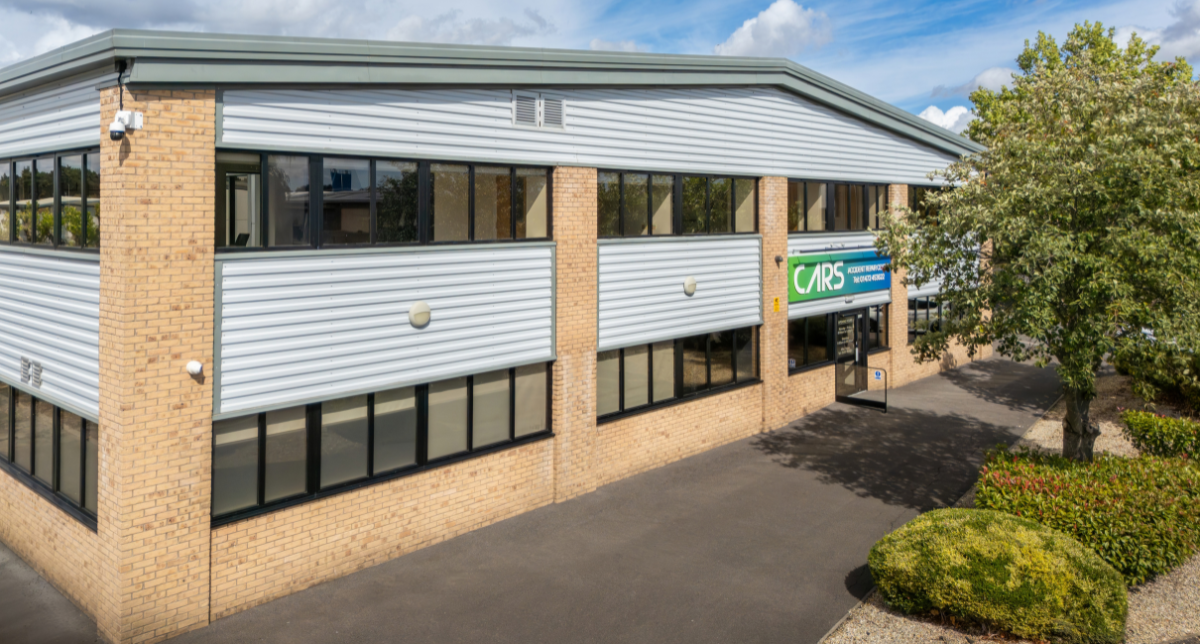
CARS of Grimsby has decades of accident repair and bodyshop experience, which means the team can assess the quality and extent of existing repair work when carrying out a vehicle appraisal. That experience can also be valuable if you are unsure whether existing damage is worth repairing before part exchange.
Rather than spending money without knowing how the work will affect the valuation, it can be more useful to have the vehicle assessed first.
Our article explaining what accident repair experience teaches us about buying a used car provides more information about how previous repair work can be identified and assessed.
Should You Repair a Windscreen Chip or Crack?
Windscreen damage should be considered separately from purely cosmetic marks because it can affect roadworthiness and MOT requirements. A small chip may be repairable at relatively low cost and could prevent the damage from spreading, while a larger crack may require the windscreen to be replaced.
The position of the damage is also important because defects within the driver’s field of vision can affect an MOT result. If your insurance includes windscreen cover, check the terms of the policy because the repair may cost considerably less than arranging the work independently.
Where the damage makes the vehicle unsafe or unroadworthy, it should be repaired regardless of whether you plan to part exchange it.
Should You Clean and Prepare the Car Before a Valuation?
Cleaning the vehicle is usually beneficial because it allows the dealer to assess the actual condition more easily. You do not need to pay for an expensive professional valet, but removing rubbish and cleaning the main interior surfaces can make the car easier to inspect.
Washing the exterior can also help distinguish ordinary dirt from scratches or other damage. It is also worth gathering the service history and any invoices relating to significant work so that the dealer has a better idea of how the vehicle has been maintained. If the car was supplied with two keys, having both available can also help with the valuation.
Can Repairing a Car Increase Its Value by More Than the Cost of the Repair?
Sometimes, but it should not be assumed. A relatively inexpensive repair may improve the valuation by more than its cost if it removes a problem that would otherwise create uncertainty for the dealer.
The reverse can also happen. Spending several hundred pounds on cosmetic work may increase the offer by considerably less than the amount spent, especially if the dealer could have carried out the same preparation using its own workshop or trade suppliers.
The best comparison is therefore between the cost of repairing the vehicle yourself and the difference between its current valuation and the likely valuation after the work. Without those figures, spending money before part exchange can become guesswork.
Should You Get the Car Valued Before Deciding What to Repair?
In many cases, this is the best approach because having the vehicle assessed in its current condition gives you a starting figure and helps you understand which issues are genuinely affecting the valuation.
You can then compare any proposed repair cost with the potential difference in value rather than arranging work based on assumptions. This can be helpful where the vehicle needs bodywork or more expensive mechanical work.
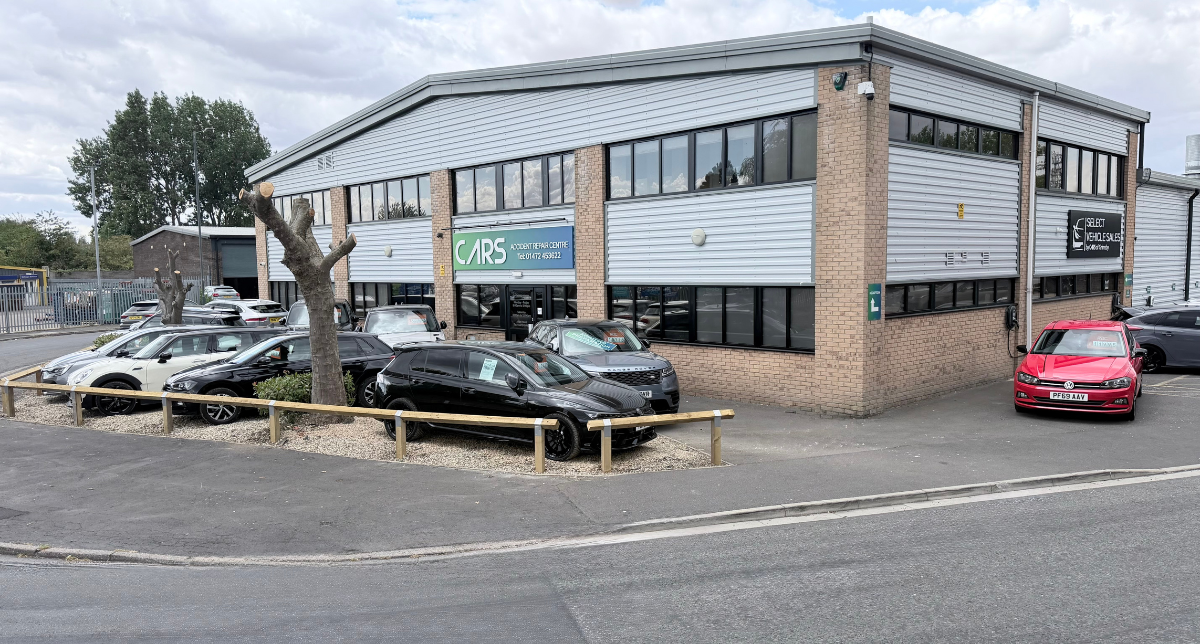
At Select Vehicle Sales by CARS of Grimsby, we provide free, no-obligation vehicle valuations for customers considering selling or part exchanging a car or van.
The team can assess the individual vehicle and explain how its current condition contributes to the valuation, which can help you decide if any work is worth completing before you change cars.
Frequently Asked Questions About Repairing a Car Before Part Exchange
Should I fix scratches before part exchanging my car?
Minor scratches do not always need to be repaired, especially on an older vehicle where reasonable wear is expected. If the damage is more substantial, ask how it affects the valuation before paying for professional repair work.
Should I replace tyres before trading my car in?
Tyres must be legal and the vehicle must be safe to drive, but replacing tyres that still meet the legal requirements may not always provide a financial return. The dealer can consider their remaining condition within the valuation.
Is it worth servicing my car before part exchange?
It can be worthwhile if the service is due and maintaining a complete service history is important to the vehicle’s value. However, it is sensible to compare the service cost with the likely effect on the valuation first.
Can I part exchange a car with faults?
Potentially, yes. A dealer can assess a vehicle with mechanical or cosmetic faults and take the likely repair cost into account when providing a valuation.
Can I part exchange a car that has failed its MOT?
A dealer may still be interested in the vehicle, but it must not be driven illegally. If the vehicle has dangerous defects, these must be repaired before it can be driven on the road.
Should I repair accident damage before part exchange?
That depends on the extent of the damage and the cost of professional repair. It can be helpful to obtain a valuation first so you can compare the likely effect of the damage with the amount you would need to spend.
Get a Valuation Before Spending Money on Repairs
There is no need to assume that every fault or cosmetic mark must be repaired before you part exchange your car. Minor work can sometimes be beneficial where the repair is inexpensive and clearly improves the vehicle, while larger repairs require more careful consideration because the amount you spend may not be fully reflected in the part-exchange value.
Obtaining a valuation first can help you understand how the vehicle stands in its current condition and make a more informed decision about any work you are considering.
At Select Vehicle Sales by CARS of Grimsby, we provide free, no-obligation vehicle valuations for customers who are thinking about selling or part exchanging their current vehicle. Our accident repair background also gives the team useful experience when assessing bodywork and previous repairs.
If you are thinking about changing your vehicle, you can also
view our current used cars and vans
to see what is currently available.