Does car insurance cover repairs?
It’s one of the most common questions drivers ask: does car insurance actually cover the cost of repairs?
The answer isn’t always completely straightforward.
In principle, the purpose of insurance is to indemnify a person against loss. That means, if your vehicle is damaged as a result of an insured incident, the policy is designed to put you back in the position you were in before the loss, usually by covering the cost of repairs, subject to the terms, conditions, and excess of the policy.
However, cover will depend on the specific circumstances of the incident and the type of policy held, so it isn’t a blanket guarantee in every situation.
What’s usually covered:
- Damage caused by road accidents (depending on fault and cover type)
- Repairs after fire, theft, or attempted theft
- Vandalism or malicious damage
- Weather-related damage (roof tiles landing on a car)
What’s usually not covered:
- General wear and tear (e.g. worn brake pads or tyres)
- Mechanical or electrical breakdowns
- Poor maintenance or neglect
Typically, insurance covers you for the unexpected, not general upkeep.
Understanding the different types of cover
Not all insurance policies are equal. The level of protection you have makes a big difference to whether repairs are covered.
Fully Comprehensive
This is the highest level of car insurance coverage. You are usually covered for third-party damage to another vehicle or person, as well as damage, fire or theft of your own vehicle – regardless of who is at fault. Your insurance provider may offer extra policy features for an additional cost. These include, but are not limited to, breakdown cover, windscreen cover and car key cover.
Third Party, Fire and Theft
This policy type covers you for theft of your vehicle or fire damage, as well as any damage you cause to other people and their property. This type of insurance policy will not cover any damage to your own car (unless it occurred as a result of fire or attempted theft), meaning you will have to pay for any car repairs directly.
Third Party Only
This is the minimum level of cover you can legally hold if you intend to use your vehicle on UK roads. This type of policy covers the costs of damage you cause to someone else’s vehicle or property, as well as any injuries you may cause to a third party. There is no cover for your own vehicle.
Common exclusions: When repairs aren’t covered
Even with comprehensive cover, there are situations where your insurer may refuse to pay for repairs.
Some common exclusions include:
- Driving under the influence of alcohol or drugs
- Using your car for purposes not declared (e.g. business use)
- Unauthorised drivers behind the wheel
- Failing to report an incident promptly
- Invalid MOT or unroadworthy vehicle
It’s always worth checking the small print of your policy, as this is where surprises come from. If you need any help understanding the insurance policy fine print, our team are here to help.
How to make a claim for repairs
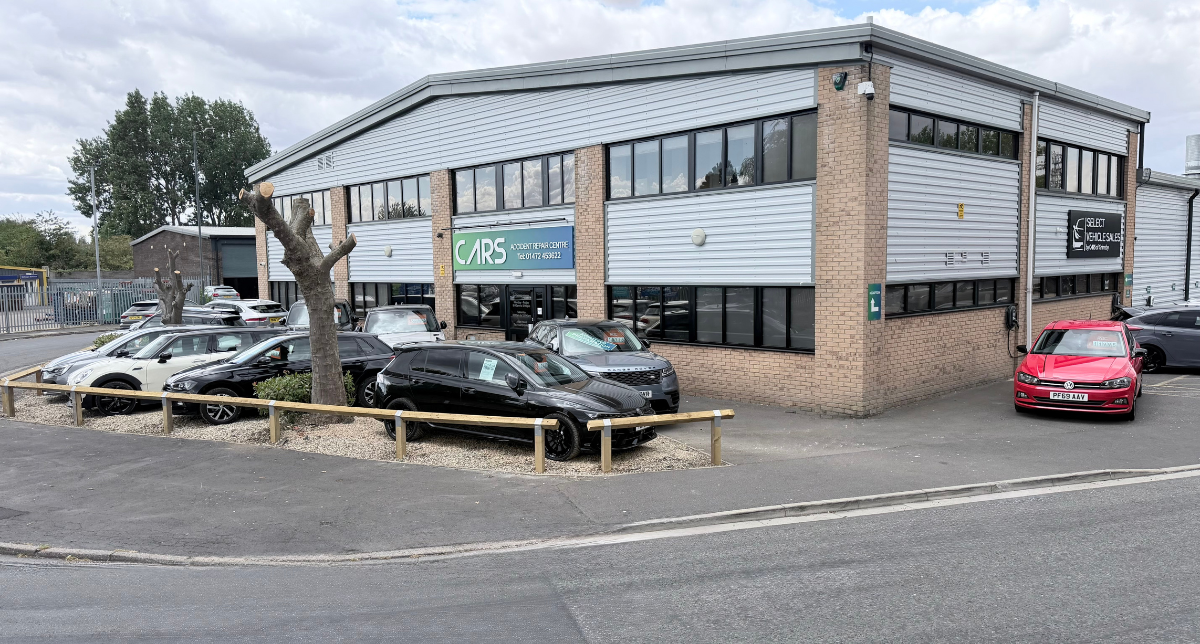
If you’re involved in an accident or have damage on your vehicle and need to make a claim, just call CARS. Alongside our experience in vehicle repair itself, we have vast knowledge of the insurance claim process and getting claims passed when they would have otherwise been refused. We will:
- Provide a thorough estimate directly to your insurance company, so you don’t have to
- Take over all communication with your insurance company, including providing any evidence they require, making things as stress free as possible
- Order all parts once authorisation is granted
- Provide a courtesy vehicle where required, regardless of whether your insurer says you’re entitled or not
- Repair your vehicle to the highest standard, using new and genuine parts, and manufacturer repair methods
- Keep you updated throughout
Tips to reduce unexpected costs:
- Choose the right level of cover for you at outset - Comprehensive cover is more likely to save you money in the long run if repairs are needed.
- Set a realistic excess - A higher excess can lower premiums, although not by much. You should also make sure the excess you select is affordable if you need to make a claim.
- Vehicle maintenance – Regular servicing helps avoid issues that insurance won’t cover.
- Shop around at renewal – Better prices may be available by shopping around and not auto-renewing.
Final Thoughts
Car insurance can cover repairs, in the right circumstances and with the right level of cover. Understanding what your policy includes (and excludes) is key to avoiding unexpected costs. If you’re unsure about your cover or you’ve had an accident and need to make a claim, our team are here to help you.