What to Do If Your Car Has Scratches or Dents
It’s a frustrating moment… you walk up to your car and notice a scratch along the door or a dent you’re sure wasn’t there before. Whether it’s from a tight car park, a stray trolley, or a minor bump, cosmetic damage is something most drivers will face at some point.
The good news? In most cases, scratches and dents are easier (and more affordable) to fix than you might think.
First things first: Assess the Damage
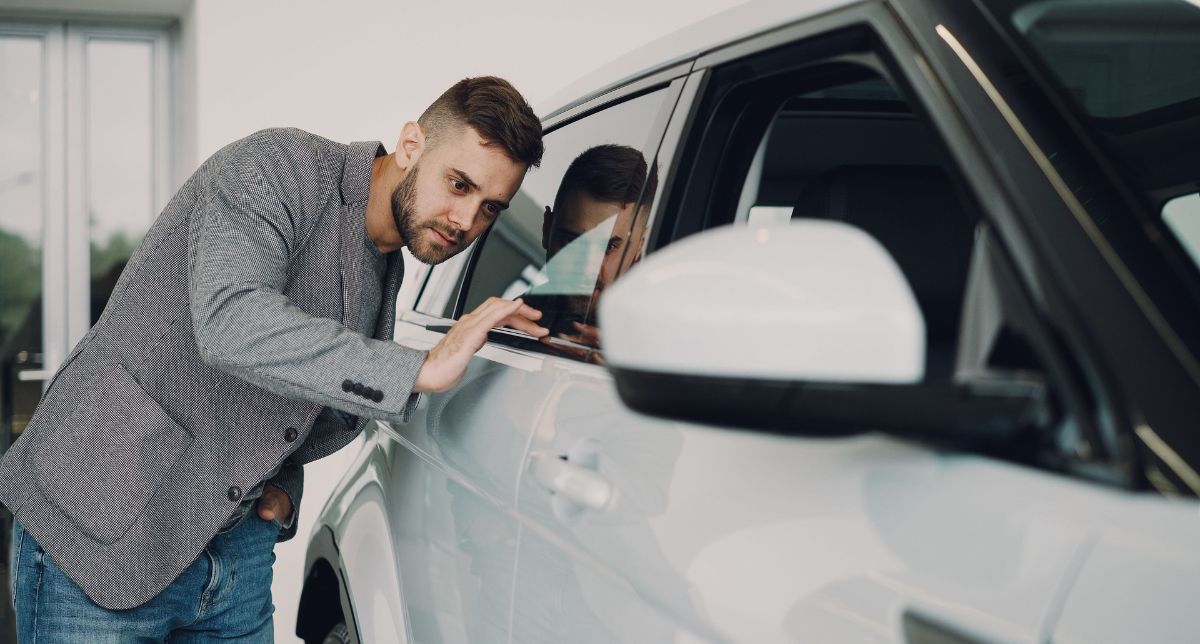
Before jumping to conclusions, take a closer look at the damage.
- Light scratches may only affect the finish and can sometimes be polished out.
- Deeper scratches that expose the paint or metal will need professional attention.
- Small dents with no paint damage may be repairable without repainting.
- Larger dents, cracked bumpers or cracked paint could indicate more extensive repair work is needed.
Understanding the severity helps you avoid unnecessary costs, and ensures the repair is done properly.
Should you fix it straight away?
It can be tempting to ignore minor cosmetic damage, especially if your car still drives perfectly fine. However, leaving scratches or dents untreated can lead to bigger issues over time.
Scratches that go through the paint can expose the metal underneath, increasing the risk of rust.
More importantly, often what looks like minor damage can be a sign of something more sinister. For example, if a dent impacts any of the vehicle’s radar sensors, this may cause the vehicle not to respond correctly in a future incident, weakening its safety.
Always seek advice from a trusted independent repairer if you’re unsure.
Where should you take your car?
Many people search for a “car garage” when they notice scratches or dents, but cosmetic damage is usually better suited to a repair specialist.
Traditional garages tend to focus on mechanical work — engines, brakes, servicing — whereas cosmetic repair specialists are equipped with the tools and techniques specifically designed for bodywork repair.
This is where
SMART repairs come in.
What are SMART repairs?
SMART stands for Small to Medium Area Repair Technology. It’s a modern repair method designed to fix localised damage without the need to respray entire panels.
Instead of replacing or repainting large sections of your vehicle, a SMART repair focuses only on the damaged area. If a SMART repair is possible, there are several benefits:
- Cost-effective – You’re only repairing a very small area
- Quicker turnaround – Many repairs can be completed in hours, not days
- High-quality finish – Colour matching and blending ensure a seamless result
When is accident repair needed?
If the damage is more severe - for example, after a collision - a more comprehensive repair may be required.
Signs you may need accident repair include:
- Deep dents affecting large areas
- Cracked or heavily damaged paintwork
- Misaligned panels
- Structural concerns
- Damage to/ around a camera and/ or sensor
In these cases, a full repair process ensures your car is restored not just visually, but safely and correctly.
Choosing the right repair specialist
Not all repair services are the same, so it’s worth choosing a specialist with experience in cosmetic and accident repairs.
Look for:
- Proven results and customer reviews
- Expertise in SMART and accident repair techniques
- Honest advice
- A repairer that uses new and genuine parts
- A focus on quality finishes
A good repair specialist will assess your car properly and recommend the most suitable option. Before SMART repairs are offered, the repairer should always check for hidden sensors, like radar modules. The repair technique should be chosen carefully as filler or a build-up of too much paint material in these areas will inhibit the sensors from functioning correctly.
Final thoughts
Scratches and dents are part of everyday driving, but they don’t have to be permanent. Acting quickly, choosing the right repair method, and speaking to a specialist can make all the difference.
If you’ve noticed cosmetic damage on your vehicle and aren’t sure what to do next, getting in touch with an independent repairer like CARS is a smart next step.