Car Safety Checklist – Part 1
Jason Barker • December 1, 2023
There are many things you should check on a regular basis to ensure your vehicle remains safe and road-worthy.
Fuel
- You never know when you might end up in a situation where your journey is taking longer than you anticipated, possibly due to poor weather conditions, traffic jams, or other unexpected events. We recommend always having more fuel than necessary for your intended journey.
Tyres
- Check that tyre pressure matches the manufacturer specifications. This can usually be found in the driver’s handbook.
- Check that tyre tread meets the legal minimum of 1.6mm across the central three-quarters of the tread around the complete circumference of the tyre. At CARS, we recommend a minimum tread of 3mm.
- Inspect the tyres for signs of wear, cuts and foreign objects.
Brakes
- The problem with brakes is that they become less effective over time and this isn’t always noticeable. As a result, you should regularly test the brakes for responsiveness. If they are taking too long to react or feel different, have them inspected.
- Your brake pads and discs will be inspected for wear at your regular service. If they are worn, they may require replacement.
Lighting
- Ensure your headlights are clean to maintain safe visibility.
- Ensure all exterior lights are working (including headlights, brake lights, fog lights, indicators, etc).
Screen Wash & Other Fluids
- In more modern vehicles, you may be alerted to low screen wash levels via a signal on your dashboard. In older vehicles, you can check the screen wash levels in the tank under the bonnet. Always ensure you have a healthy level of screen wash in your vehicle in preparation for dirt, bugs or extreme weather.
- You should also ensure you have appropriate levels of coolant and brake fluid prior to embarking on a long journey. Advice on how to check in your specific vehicle and the required fluid types for your make and model can usually be found in your manual or handbook. If you are unsure, we advise taking your vehicle to a local garage or repair centre.
Documentation
- We recommend carrying legal documentation within your vehicle for ease of access. This includes your driving license, insurance information and any other required permits.
Cleanliness
- We advise keeping your vehicle clean to reduce the likelihood of an incident occurring. This includes (but is not limited to) windscreens, brake lights, indicators and registration plates.
Emergency Equipment
- First Aid Kit
- Torch
- Blanket
- Reflective Triangle
- Water
- Spare Tyre (where possible)
The majority of these components will be checked by a skilled technician at your regular service. If you have any concerns about the safety or performance of your vehicle, you should take your vehicle to a local repair centre.

Should you buy a used car privately or from a dealer? Compare the price, preparation, legal protection and support available with each option.
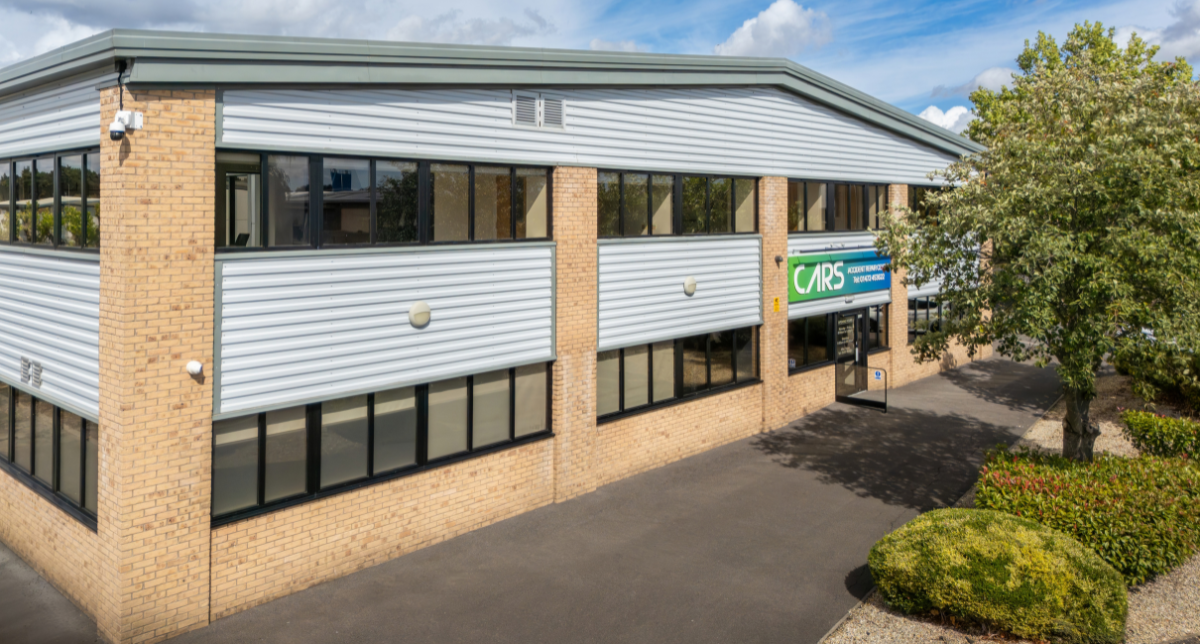
Compare main dealers and independent used car dealers, including vehicle choice, preparation, warranties, pricing and customer service.

How much should you spend on a used car? Learn how to set a realistic budget by considering the purchase price, finance and ongoing running costs.
Learn what RAC Approved Dealer status means when buying a used car, including vehicle checks, preparation standards, warranty and breakdown cover.
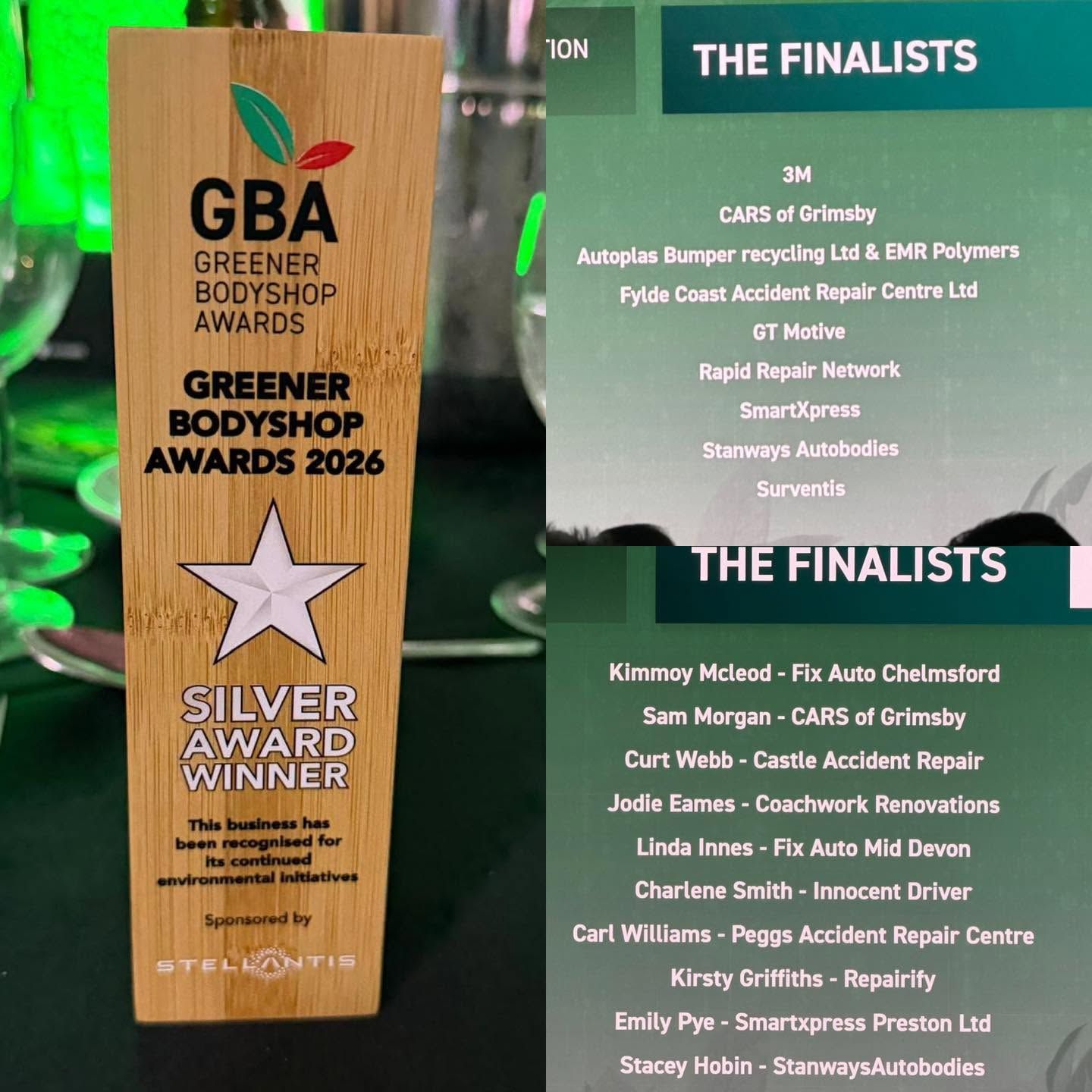
Team CARS takes home Silver for Sustainability at the NBRA Greener Bodyshop Awards!
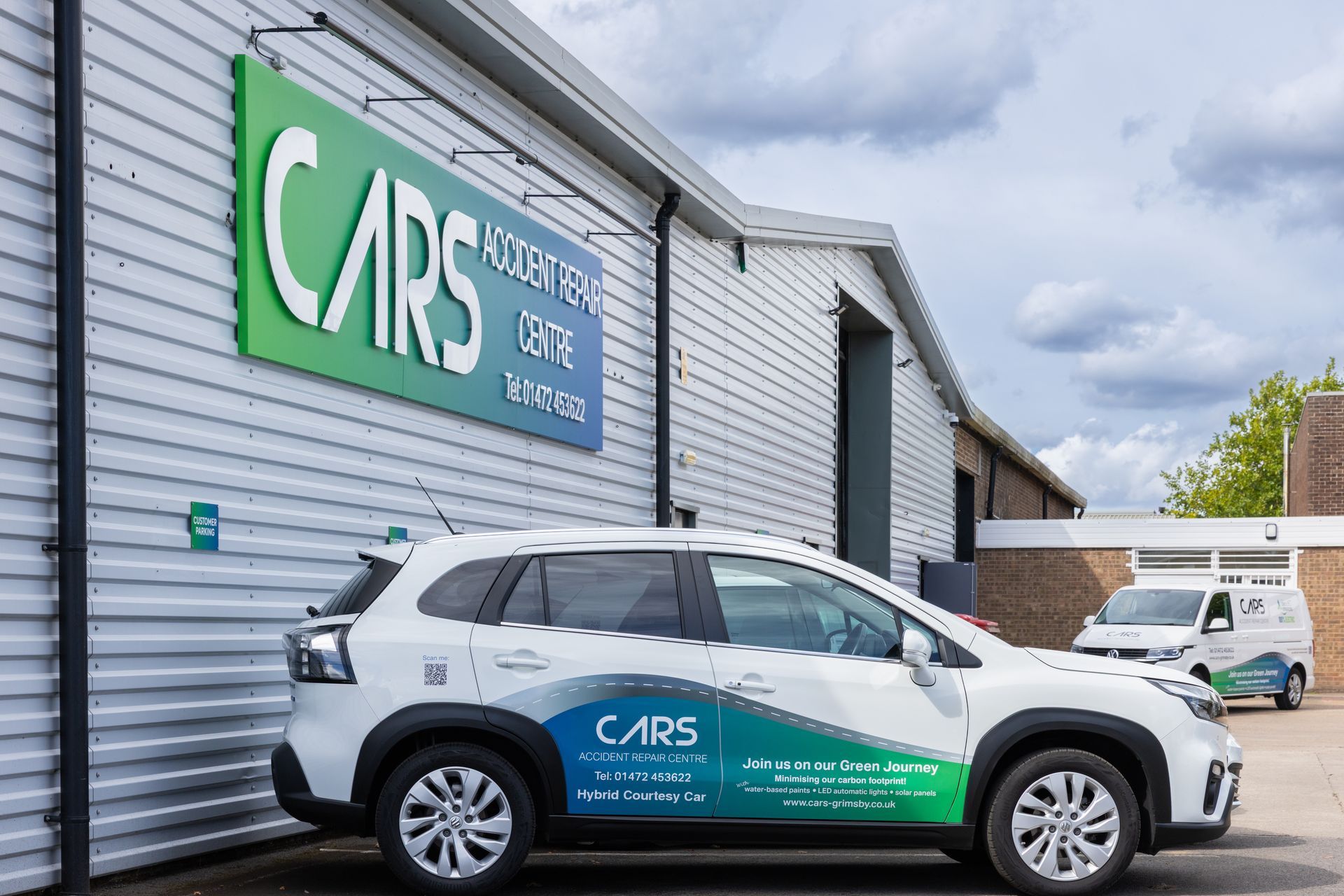
No. Buying a used car from a business that also carries out accident repairs does not mean the vehicle has been accident damaged. The type of business selling a car does not determine its history. Every used vehicle has its own background, which should be researched and assessed individually. A car sold by a business that also carries out accident repairs may never have been involved in an accident. Likewise, a vehicle offered for sale by any dealership or private seller could have undergone previous repairs. The questions that are important concern the history of the individual vehicle, its present condition and the checks completed before it is offered for sale. At Select Vehicle Sales by CARS of Grimsby, our accident repair experience gives us a detailed understanding of vehicle repair quality. We use that knowledge when selecting and preparing used vehicles, helping customers make an informed decision about the car they are considering.

CARS of Grimsby has been shortlisted for Customer Service, Industry Innovation and Greener Bodyshop at the 2026 awards. Read more.
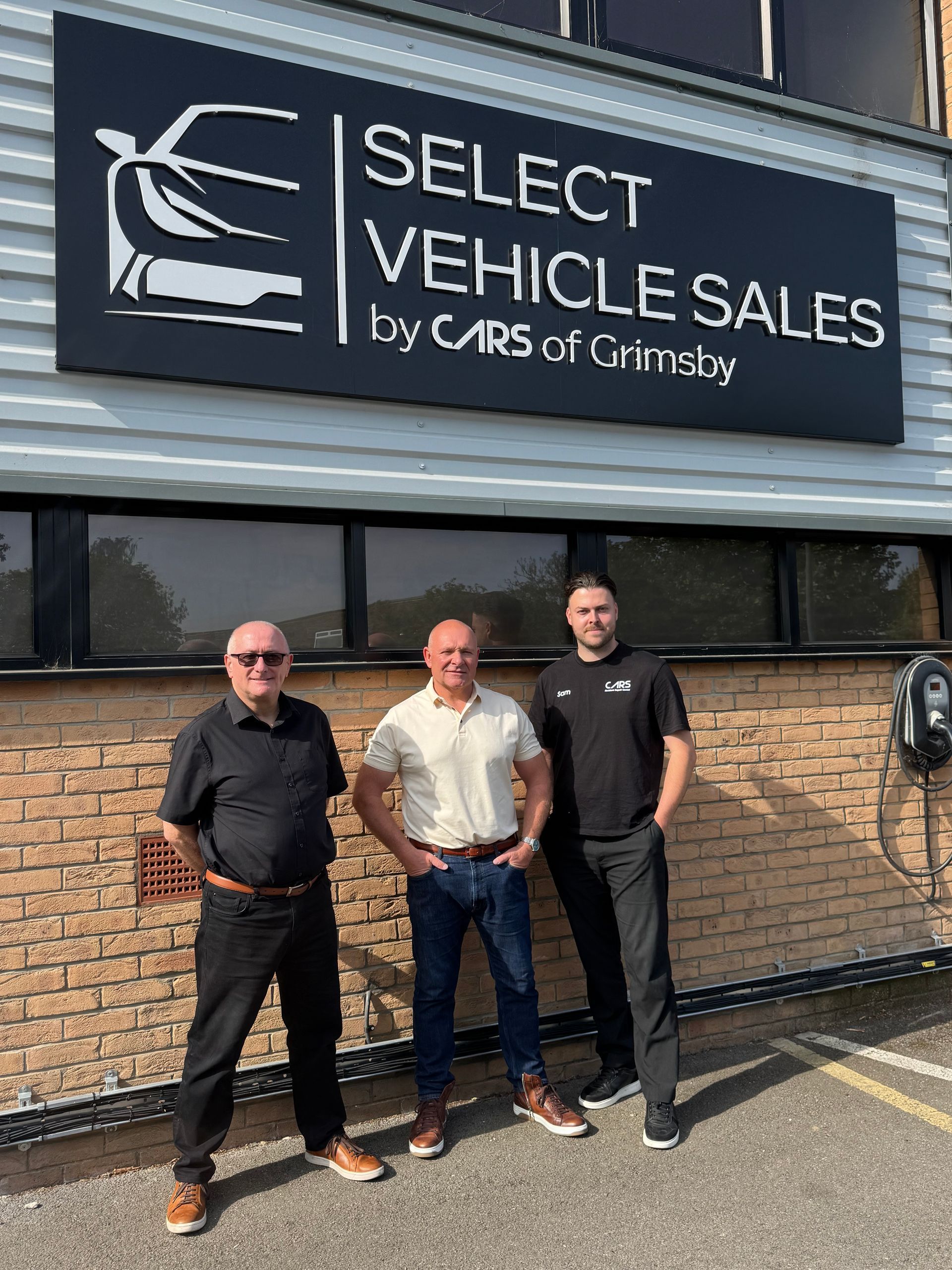
CARS of Grimsby now offers quality used cars and vans for sale, backed by years of trusted vehicle repair experience and customer care.

Here at Select Vehicle Sales by CARS of Grimsby, we pride ourselves on the service received by our customers. Each vehicle we sell meets our quality standards; each customer journey is seamless and stress-free.
Most people buying a used car look at the mileage, service history and overall condition. We look much deeper. Years of repairing accident damaged vehicles has trained our eyes to spot things that many people would never notice. Subtle differences in paint finish, panel gaps, replacement panels, poor welding or signs of previous structural repairs can all reveal a vehicle's past, even when that damage has never appeared on an insurance database or history check.